Developer - Robotics, Computer Vision & AI | The battle of Bach Dang
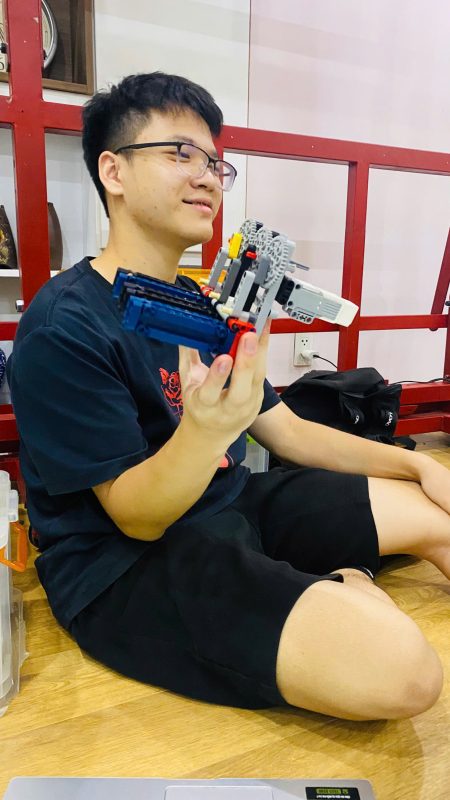
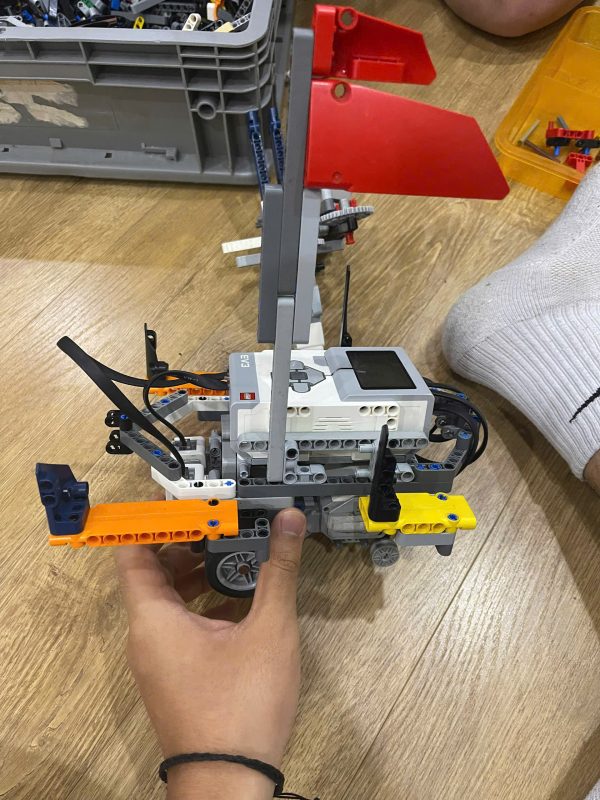
At the Robotacon WRO 2026 National Finals, I learned that engineering is tested not in preparation, but in performance.
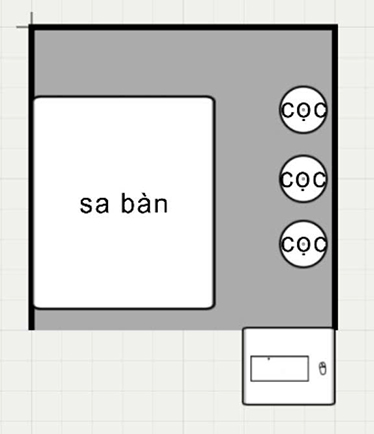
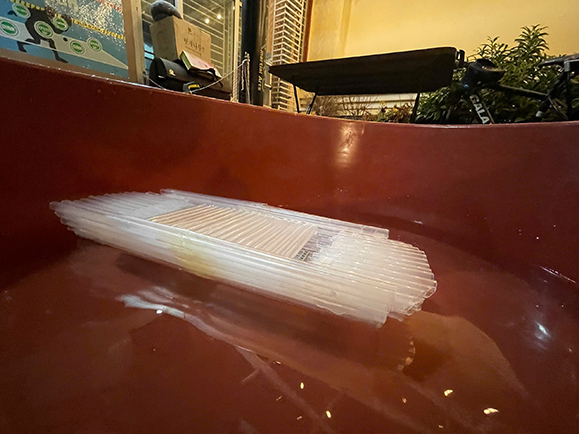
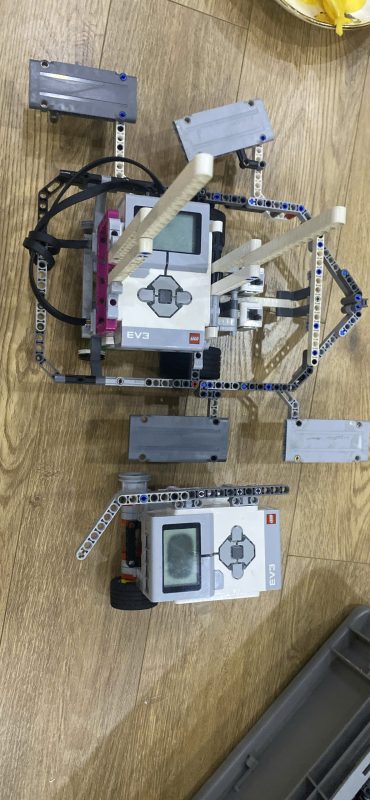
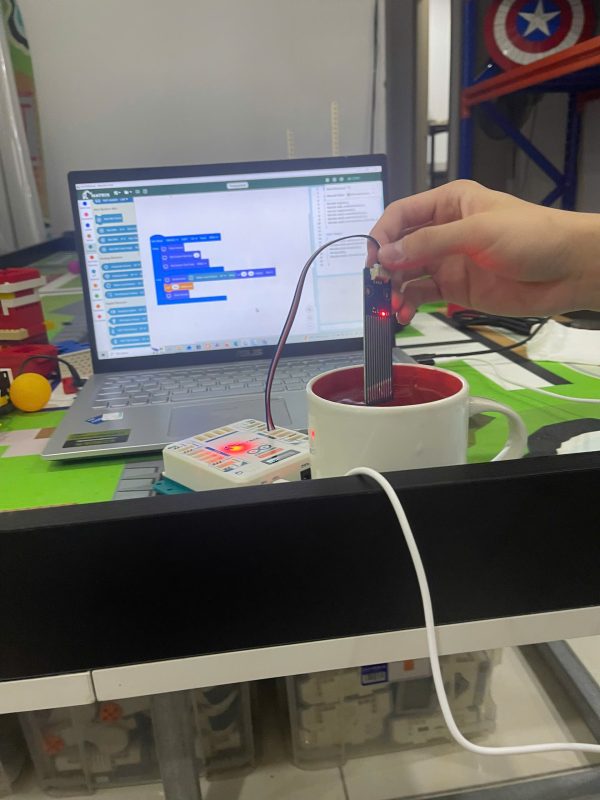
At the Robotacon WRO 2026 National Finals, I learned that engineering is tested not in preparation, but in performance.
Our robot had completed its trial runs without a single failure. Yet during the actual judging sessions, the line-tracing sensor repeatedly became unstable, possibly because the competition environment and lighting differed from our testing conditions. Small errors appeared at the moments that mattered most, and our team ultimately finished sixth instead of reaching the top three.
The result was frustrating, but it exposed something our successful practice runs had hidden: a prototype that works consistently in controlled conditions is not necessarily a reliable system. Since then, I have thought much more carefully about robustness, environmental variables, and testing beyond the conditions I expect. WRO taught me that good engineering is not simply making something work it is making it work when the environment refuses to cooperate.
AI Driver Fatigue Detection: From Edge Hardware to Cloud Web App
Driven by hands-on empathy for long-haul truck drivers, I developed an end-to-end AI fatigue detection system. By spending 2–3 days riding along with truck drivers in real-world conditions, I identified key operational challenges, driving us to evolve our solution from a standalone low-cost Edge AI device (~70–100) into an accessible, multi-platform Web Application for real-time monitoring on mobile and desktop.
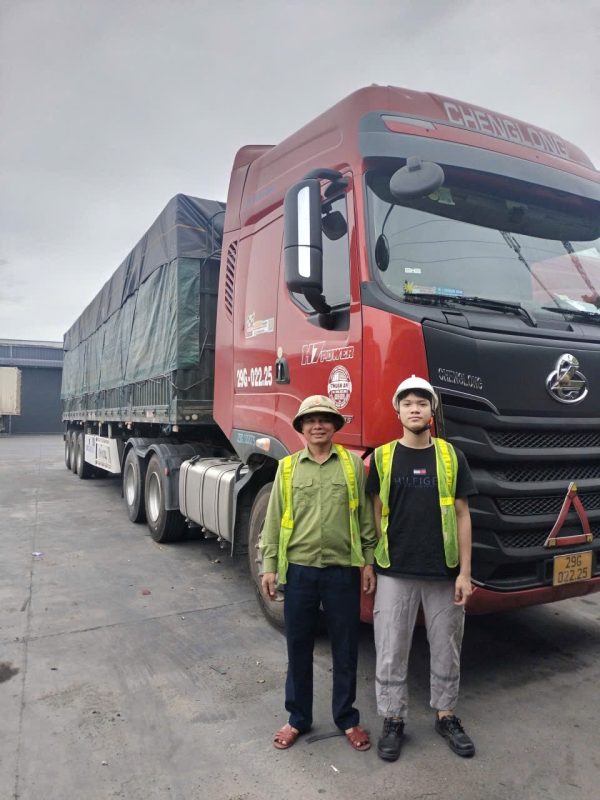
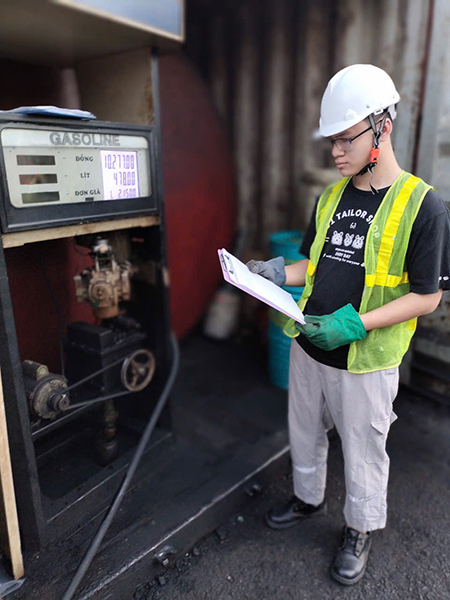
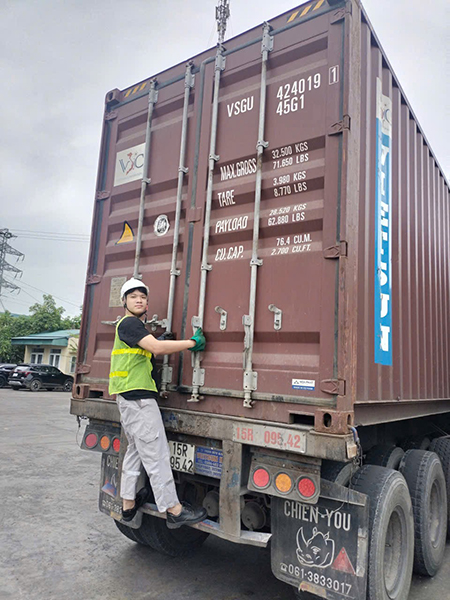
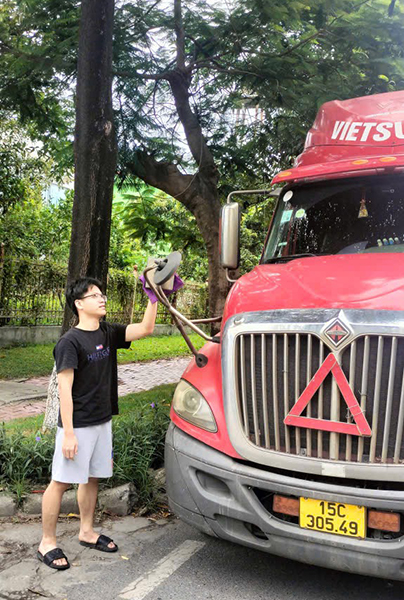
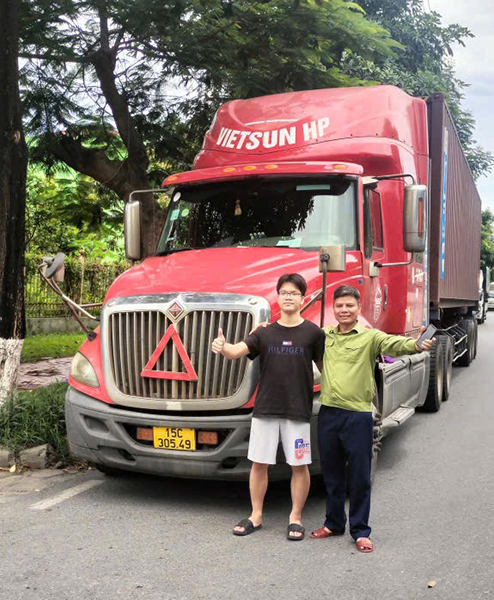
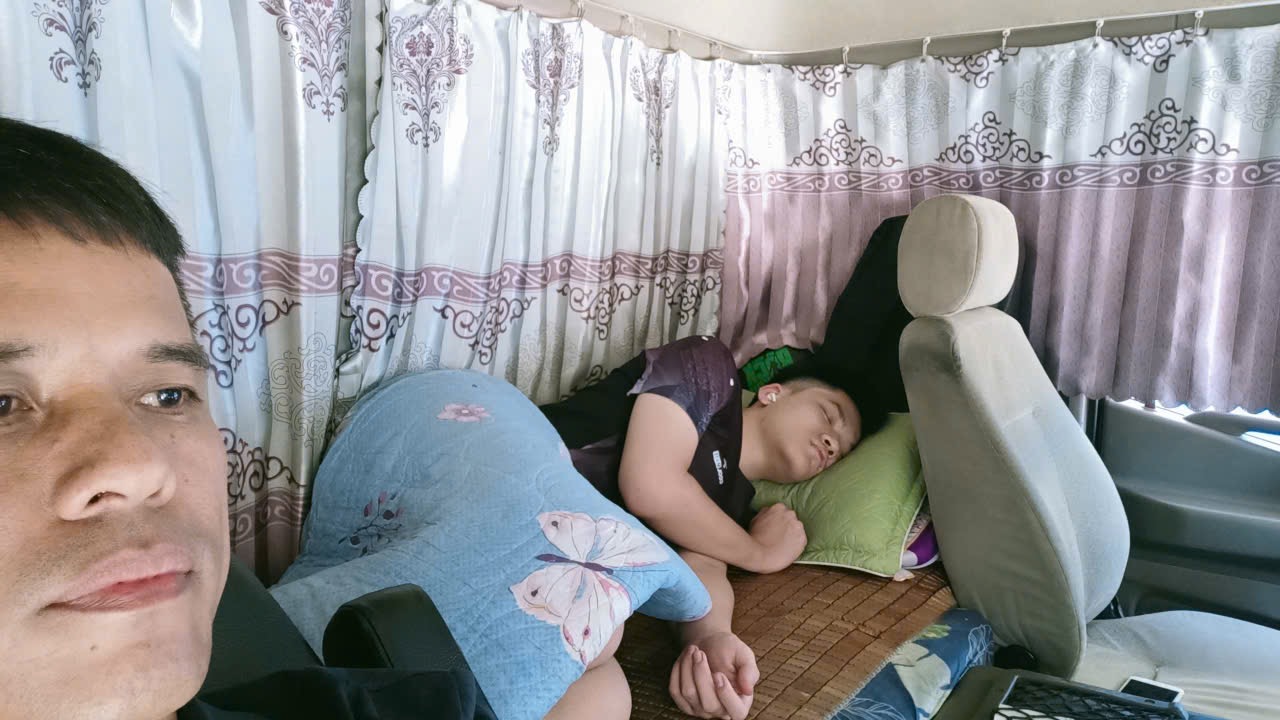
Empathy-Driven Engineering | Spent 2-3 days riding along with long-haul truck drivers to understand their night shift fatigue and daily struggles, laying the groundwork for a user-centered AI solution.
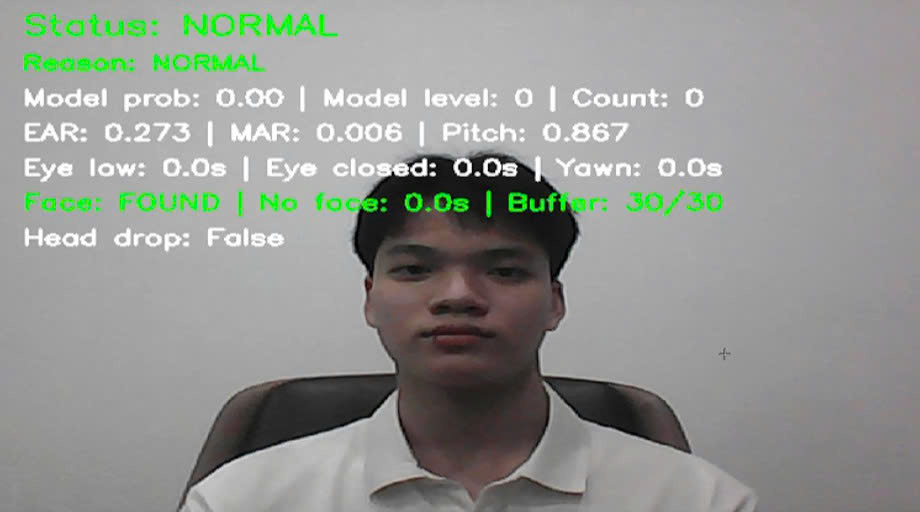
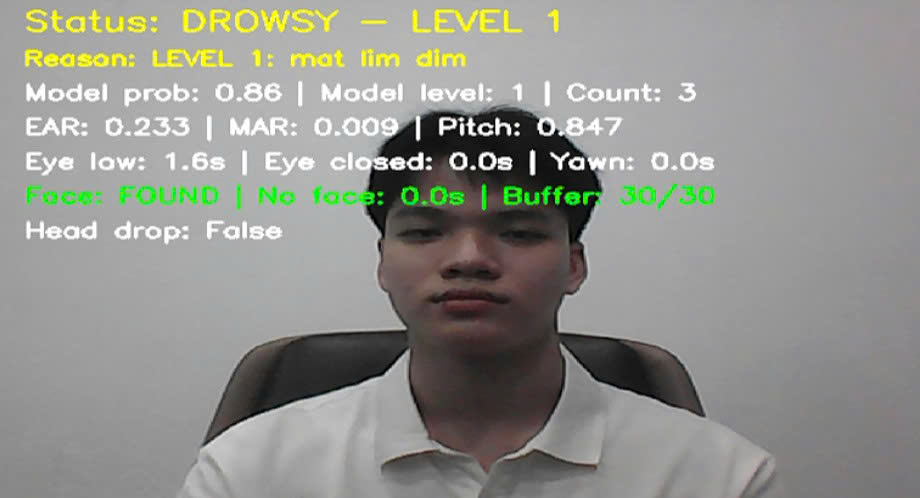
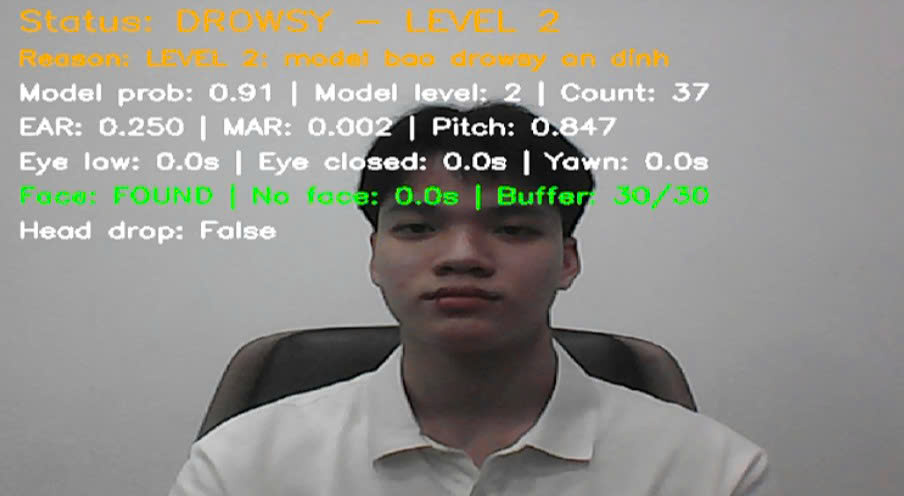
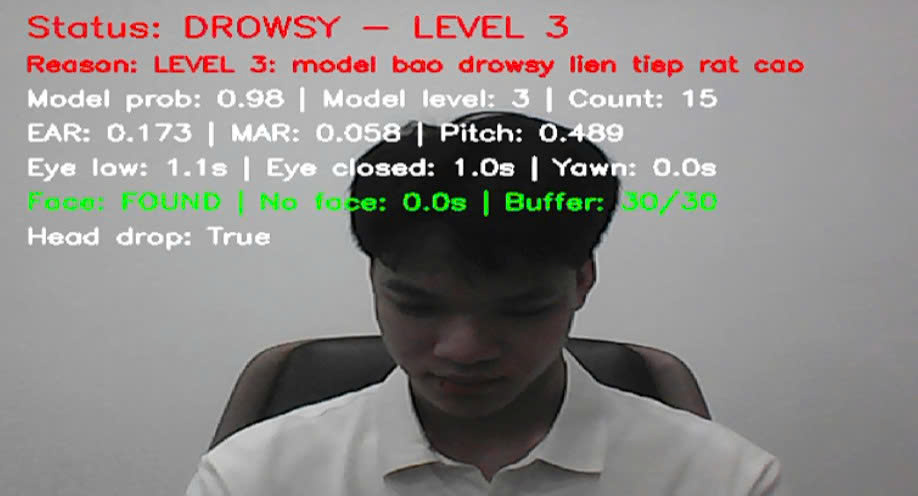
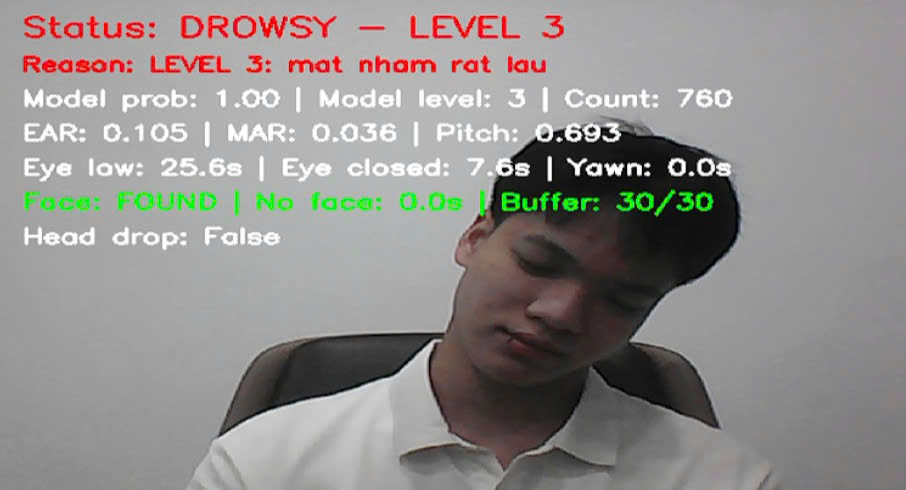
Edge AI Prototype | Built a low-cost fatigue detection device (~70–100) using NVIDIA Jetson Nano, MediaPipe Face Mesh, and YOLOv8n-face to process 468 facial landmarks in real time with 3-tier audio alerts.
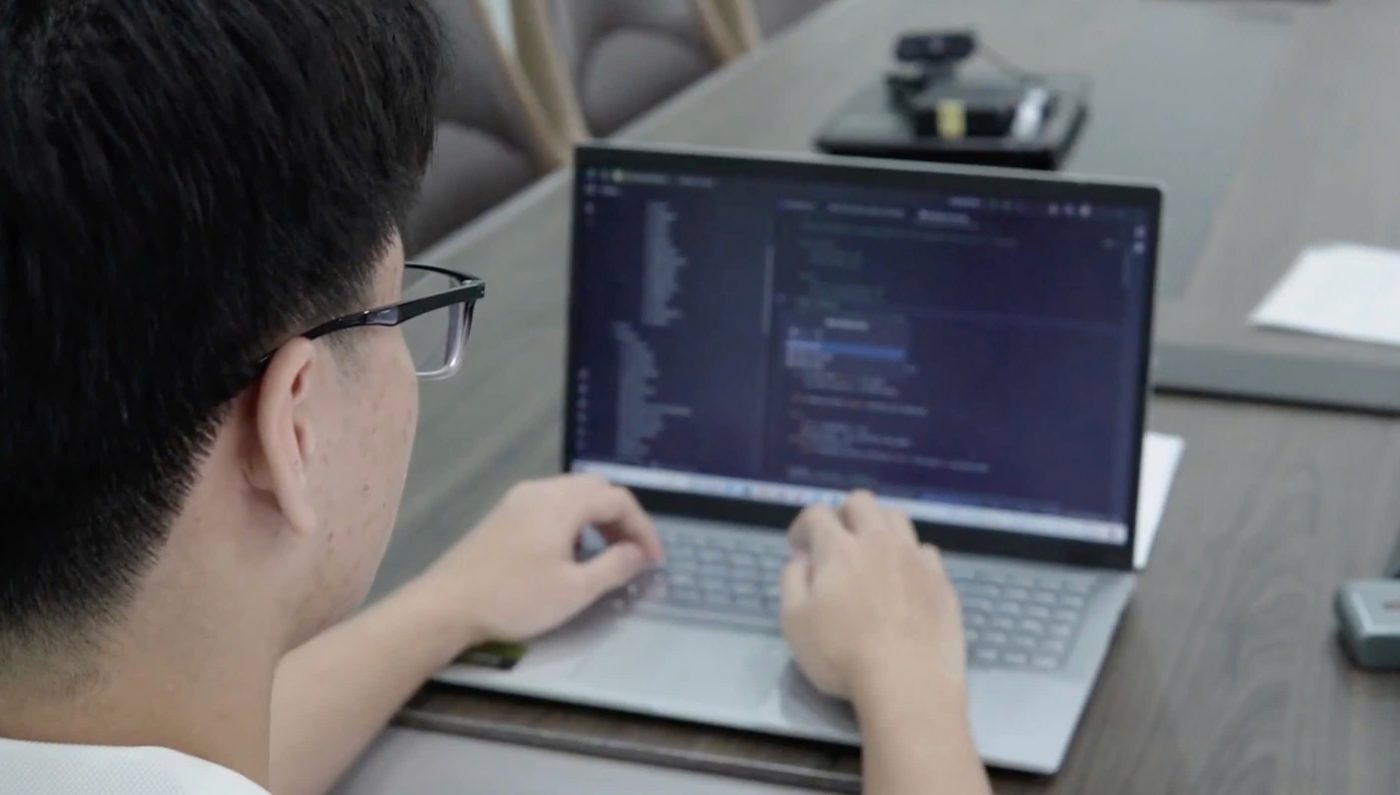
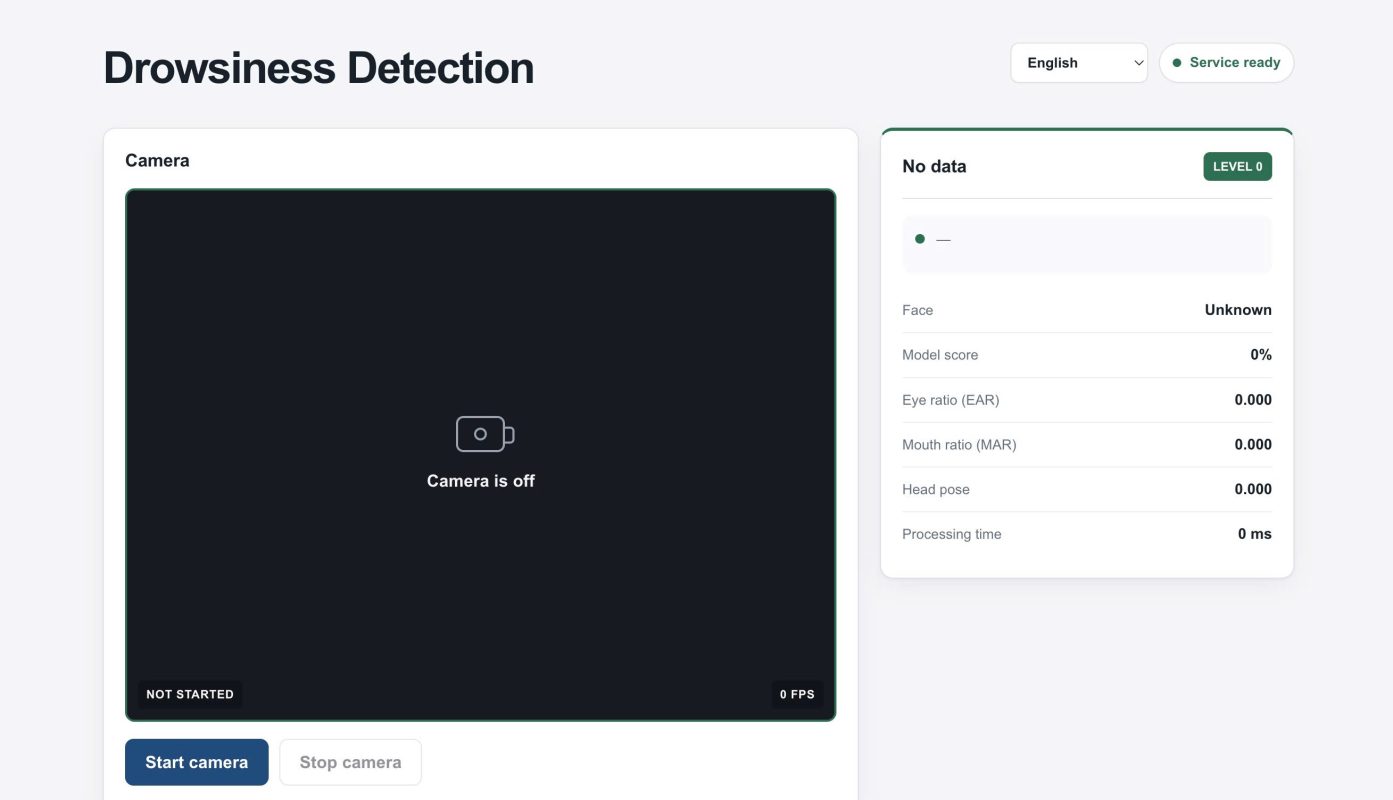
Pivoting to Accessibility | Evolved from edge hardware to a lightweight Web Application. By shifting to a web/mobile solution via WebRTC and TensorFlow Lite, we removed hardware installation barriers for truck cabs while maintaining high-speed real-time detection.